Many older Australian homes still carry layers of lead paint under the newer coats. It usually causes no trouble while it stays sealed and intact. The risk starts when you sand, scrape, strip or demolish. That is when fine dust and chips spread through the house and yard.
This guide covers which homes are most likely to have lead paint and how to find out for sure. It also explains how to plan the work, which methods to avoid and how to clean up. If you are about to repaint or renovate an older place, read this before you pick up a scraper.
Which homes are likely to have lead paint
The Australian Government guide Lead Alert: The six step guide to painting your home says homes built before 1970 are at greatest risk. Paint with up to 50 per cent lead was used on homes built before 1950. Paint with more than 1 per cent lead was still used until the late 1960s. The allowed level was cut to 0.1 per cent from December 1997.
A newer home is not automatically clear. The same guide notes that houses built after 1970 may still contain lead paint, especially where industrial or marine paints were used. Lead was common in white topcoats and in pink and red lead primers. These were applied to timber, render, fences and galvanised iron.
Paint is not the only source in an older house. The NSW Government LeadSmart advice says lead dust builds up over many years in roof spaces, behind walls and under floorboards. Older homes may also have sheet lead in flashings, damp courses, gutters and cladding. Keep all of these in mind before you open up walls or ceilings.
Why lead dust matters
Lead can be breathed in or swallowed once it is disturbed. The Australian Government guide explains that lead is stored in the bones and teeth. It can harm the liver, kidneys and brain. Children under five are the most vulnerable group.
Young children absorb far more of the lead they swallow than adults do. The guide puts it at up to 60 per cent for children, compared with about one tenth for adults. Lead can also pass to an unborn baby and to an infant through breastmilk. For that reason, pregnant and breastfeeding women and young children should stay well away from the work.
Symptoms can be vague or absent, and they can have other causes. If you are worried about exposure, see your doctor. A blood test is the usual way to check lead levels.
Testing before you start
The safest plan starts with knowing what you are dealing with. The Australian Government guide describes three main ways to test. Each has its strengths and limits.
- Colour change test kits are cheap and quick, but they can give false results and are hard to read on dark paint.
- Portable XRF testing does not damage the surface, but you need to hire a trained professional.
- Laboratory analysis of paint chips gives an accurate result and should be done by a NATA accredited laboratory.
Test the oldest layers, not just the top coat. Angled paint chips that show every layer give the best sample. If a swab shows no change but the house is old, the guide suggests you assume lead is present or get a lab test. Australian Standard AS 4361.2 gives further guidance on testing and clearance levels.
Plan the job and set up properly
Once you know lead is there, weigh up your options. You may be able to leave sound paint alone, cover it or replace the painted part rather than strip it. The LeadSmart advice says paint in good condition can simply be left or painted over. Removal is the step that creates the most dust.
Keep children, pregnant women and pets away from the area. Tell your neighbours before outdoor work starts and avoid windy or wet days. Outdoors, lay plastic sheeting under the work area to protect lawns and play areas. Indoors, seal the room with plastic and tape and take out or cover your belongings.
Protect yourself as well. Both guides recommend a respirator that meets AS 1716, along with coveralls. LeadSmart notes that paper masks may not fit well and do not stop fine dust. Shower and change before you go near children, and wash work clothes separately.
Lead planning belongs in your renovation budget from day one. Our article on budget friendly home renovations covers how to price a job realistically. Testing and safe removal are small costs next to cleaning up a contaminated house.
Methods to use and methods to avoid
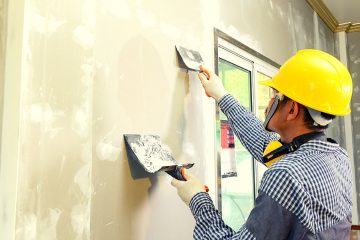
The Australian Government guide is clear about what not to do. Do not remove lead paint by dry abrasive blasting or dry mechanical sanding. Dry scraping and power tool cleaning also release fine dust you can breathe in. Open flame torches and heat guns above 370°C produce lead fumes.
Safer options for a home owner include wet scraping and wet sanding. Chemical strippers and low temperature heat are other choices. If you use a heat gun, LeadSmart advises the lowest setting. HEPA dry sanding is listed in the guide as a method for contractors only.
For bigger jobs, hiring a trained painter is often the sensible call. The guide suggests looking for a painter who holds the nationally recognised unit in safe lead paint and asbestos work practices. Ask about it when you get quotes. This matters most for interior work in rooms children use.
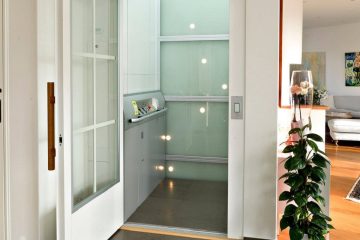
Lead can turn up in jobs that seem unrelated to painting. Pulling out an old vanity before fitting frameless glass shower screens can disturb painted walls and trims. Cutting into walls to install a home lift system in an older house can do the same. Test first and set up the area before the tools come out.
Cleaning up lead dust
Do not sweep and do not use your household vacuum cleaner. Both spread fine lead dust around the house. Use a HEPA vacuum that is kept only for this work. LeadSmart also suggests a member of the Australian Dust Removalists Association for dust in roof spaces.
Wet wash every hard surface in the work area, including sills, skirting boards and furniture. The guides recommend a high phosphate cleaner such as sugar soap, then a rinse with clean water. Rinse mops and cloths often so you do not spread the dust. The Australian Government guide describes a three bucket method for floors and suggests clearance testing afterwards.
Old carpet in a renovated room can trap lead dust from earlier work. Spray it with water, roll it inward and bag it rather than beating it outside. Our guide to carpet cleaning mistakes covers everyday carpet care once the room is back in use. The Australian Government guide notes lead dust is hard to remove from carpet, so consider replacing carpet that has been exposed.
Disposing of lead waste
Seal paint chips, dust and used plastic sheeting in heavy duty bags or sheets. Take them to the approved area of your local waste facility. Rules for lead waste differ between states, territories and councils, so check with your council before you start. The Australian Government guide says to treat lead debris as possibly hazardous waste.
Never burn painted timber or contaminated waste. Do not pour wash water down drains or onto garden beds either. Those habits move lead into the air, the soil and the water system. A little planning at the end keeps the whole job safe.
Frequently asked questions
Can I just paint over old lead paint?
Yes, if the paint is in good condition. The NSW LeadSmart advice says sound lead paint can be left alone or painted over. Problems begin when the paint is flaking or when you sand or strip it.
Are home test kits reliable?
They give a useful first look, but they can return false results. They are also hard to read on dark paint. A test by a NATA accredited laboratory gives an accurate result.
Is a heat gun safe to use on lead paint?
Only on a low setting. The Australian Government guide warns that heat guns above 370°C and open flames create lead fumes. Do not hold it too close to the paint and wear an approved respirator.
Where do I take lead paint waste?
Seal it in heavy duty bags and take it to the approved area of your local waste facility. Rules vary between councils and states. Call your council first to check what they accept.
This article is general information only and is not medical or safety advice for your home. If you are concerned about lead exposure, speak with your doctor, and get a qualified professional to assess your home before work begins.