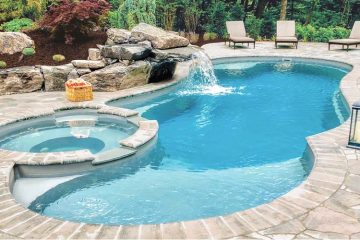
A backyard pool brings plenty of summer fun, but the pump behind it runs for hours every day. That makes it one of the larger electricity users in a home with a pool. Small changes to the pump you choose and how you run it can make a real difference.
This article explains how much power a pool uses and how to read the Energy Rating Label. It also covers pump size and the choice between single speed and variable speed pumps. Simple habits that cut running costs are in here too. It suits anyone replacing an old pump or planning a new pool.
How much electricity a pool uses
According to the Australian Government Energy Rating program for pool pumps, there are around 1.1 million backyard pools in Australia. The program says a pool pump uses nearly 18 per cent of the electricity in the average home with a pool. That is a big share for one appliance. It is also why the pump is the best place to start saving.
The South Australian Government guide to swimming pools and spas puts a typical pool at between 2,000 and 3,000 kWh of electricity a year. The total depends on the pump type and size, how long it runs each day and whether the pool is heated. The same guide says most of the energy used for a pool goes to the filter pump. A typical filter pump draws 0.75 to 1.5 kW.
Other equipment adds to the bill. Salt chlorinators and other chlorination gear draw power too. A solar heating system needs its own pump to push water through the panels. Lighting, cleaners and water features all add a little more.
Reading the Energy Rating Label
Pool pumps sold in Australia must meet Minimum Energy Performance Standards. They must also carry an Energy Rating Label. The Energy Rating program says these rules apply to pumps covered by the determination that began in 2022. Pumps made or imported before 1 October 2022 may still be sold.
The label shows a star rating and the estimated yearly electricity use. More stars mean less energy and lower running costs. The yearly figure helps you estimate what the pump will cost you to run. You can use the government Energy Rating Calculator to compare models side by side.
Stars only compare pumps with similar capacity and features. The program gives an example of a 1500 watt pump with five stars. It uses more energy than a 600 watt pump with five stars. So check the yearly consumption figure as well as the stars.
Choose the smallest pump that does the job
Bigger is not better with pool pumps. The Energy Rating program says larger pumps cost more to buy and more to run. An oversized pump also strains the filter and can shorten its life. The advice is to pick the smallest pump that suits your pool.
Pumps are rated in horsepower or watts. The right size depends on your pool volume, the filter and the plumbing. Get quotes from a few suppliers or installers, as the program suggests. A good installer can explain likely running costs and the most efficient way to use the pump.
Pool equipment choices often happen during a wider backyard project. If you are weighing up DIY or professional landscaping around the pool, leave space for the pump and filter. Easy access makes routine cleaning far simpler. Keep the equipment area dry and well drained too.
Single speed and variable speed pumps
A single speed pump runs at full power whenever it is on. A variable speed pump can run at lower speeds for routine filtering and step up when needed. The difference shows on the label. Compare the yearly energy figure on each label to see it.
The Energy Rating program gives one clear figure. Choosing a 6 star variable speed pump over a 1.5 star single speed pump could save more than $260 a year in running costs. Actual savings depend on your pool and your electricity price. Over the life of the pump, that difference adds up.
A variable speed pump usually costs more to buy. Compare the extra purchase price against the yearly saving shown by the Energy Rating Calculator. For many owners replacing an old pump, the higher star model pays its way. Ask your installer to set the speeds to suit your pool.
Run time and everyday habits
Running the pump for fewer hours is the obvious saving. The South Australian guide advises caution here. Check the manufacturer’s instructions or ask a pool specialist before you cut run time. Too little filtering can leave the water unsafe for swimming.
Look after the pool and spa as the manufacturer recommends. A clean filter and empty baskets let water flow freely, so the pump does not work harder than it needs to. Keep leaves and debris out of the pool where you can. Regular care also helps the equipment last longer.
A pool cover is one of the simplest upgrades. The South Australian guide says a cover limits heat loss and evaporation. Less evaporation means less topping up. It also keeps out debris, which takes load off the filter.
Watch the drainage around the pool as well. Heavy rain can wash soil and mulch into the water and clog the filter. Our article on why a landscape garden keeps flooding covers ways to manage runoff. Leaks around pool plumbing and equipment are worth fixing quickly too, as our guide to a burst pipe explains.
Heating and solar power
Heating can cost far more than filtering. The South Australian guide lists gas pool heaters at roughly $4 to $17 an hour to run. Its figures are based on standing retail contracts, so your rates may differ. Keeping the heat to a minimum is one of its main tips.
Spas follow the same pattern. They are usually heated to between 34°C and 38°C, and the guide says heating is the main running cost. A good cover and lower set temperature both help. Emptying a spa you rarely use is another option to consider.
Rooftop solar can offset some of the pump’s daytime use. If you have panels, running the pump while the sun is out lets you use more of your own power. Our guide on choosing the right solar system for your home explains how to size a system. Allow for the pool when you work out your household load.
Frequently asked questions
Do all pool pumps need an energy rating label?
Pumps covered by the current rules must carry the label and meet minimum energy standards. Pumps made or imported before 1 October 2022 may still be sold. Check for the label when you shop.
Is a variable speed pump worth the extra cost?
Often it is. The Energy Rating program says a 6 star variable speed pump could save more than $260 a year over a 1.5 star single speed pump. Compare models with the Energy Rating Calculator before you buy.
Can I just run my pump for fewer hours?
Possibly, but check first. The South Australian Government advises reading the manufacturer’s instructions or asking a pool specialist. Water still needs enough filtering to stay safe.
Does a pool cover really help?
Yes. A cover limits heat loss and evaporation. It also keeps out leaves, which means less work for the filter and pump.